Forging Time's Echoes: The Art of Crafting Authentic Medieval Armor and Weaponry
Forging Time's Echoes: The Art of Crafting Authentic Medieval Armor and Weaponry
Here ye, brave souls! Crafting authentic medieval armor and weaponry is no mere tinkering—it’s a fiery dance of hammer and anvil, where history’s echoes spark to life. Step behind the curtain and see how master blacksmiths forge each rivet and blade with unmatched craftsmanship. Join us at the Yosemite Chivalry & Fantasy Festival to witness this enchanted art in full glory! Learn more.
The Craft of Medieval Armor
Step into the past as we explore the artistry and skill behind medieval armor. This journey reveals secrets of crafting techniques that have stood the test of time. Prepare to be amazed by the dedication and precision involved.
Historical Crafting Techniques
Back in the day, armor was more than just protection; it was a statement. Blacksmiths used age-old methods to create these masterpieces. Imagine heating metal until it glowed, then shaping it with hammers. This process transformed raw materials into life-saving gear. Each piece had to fit perfectly, like a second skin. Artisans cut, hammered, and polished every inch, ensuring both function and flair. For further insight, you might want to explore medieval armor craftsmanship.
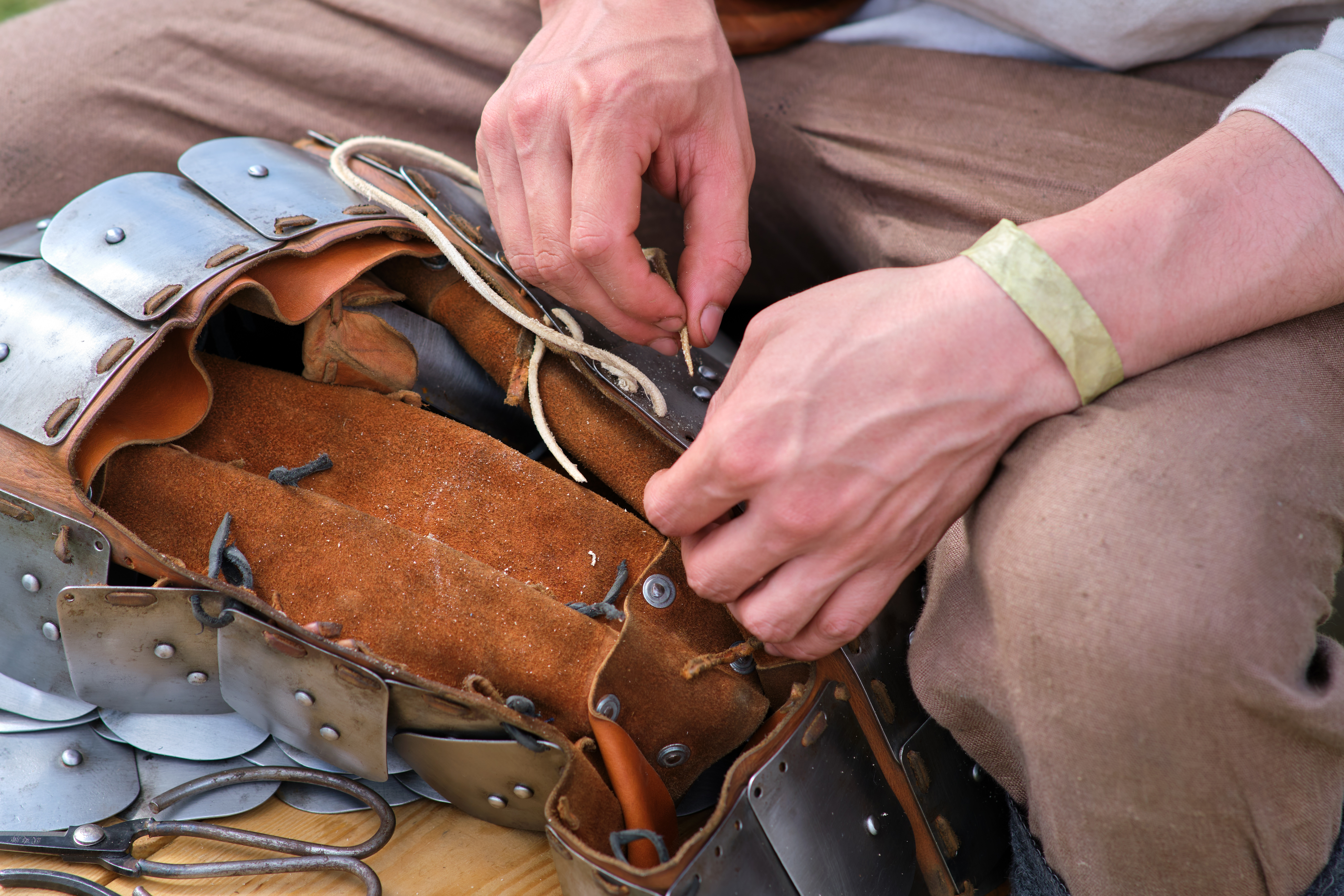
The tools were simple but effective. Hammers, anvils, and bellows were key. Blacksmiths relied on their skill to bring the metal to life. They also used leather and chainmail to add layers of protection. Every component mattered, from the smallest rivet to the largest plate. Armor was tailored to the wearer, with adjustments made for comfort and mobility. It was a true testament to the blacksmith's craft.
The Blacksmith's Workshop
Imagine the clang of metal and the roar of the forge. The blacksmith's workshop was a place of magic and transformation. Here, metal was heated until it glowed a brilliant orange. It was then hammered into shape with precision and care. The workshop was filled with tools and materials, each with a purpose. Anvils supported the metal as it was shaped, while bellows fed the fire with air.
The blacksmith's skill came from years of practice. It was a dance between heat and hammer, with each strike adding to the armor's strength. Blacksmiths learned to read the metal, adjusting their techniques to suit its needs. Their work was both physical and mental, requiring focus and creativity. The workshop was a place of both noise and silence, where the blacksmith's mind and body worked in harmony.
Mastering Authentic Weaponry
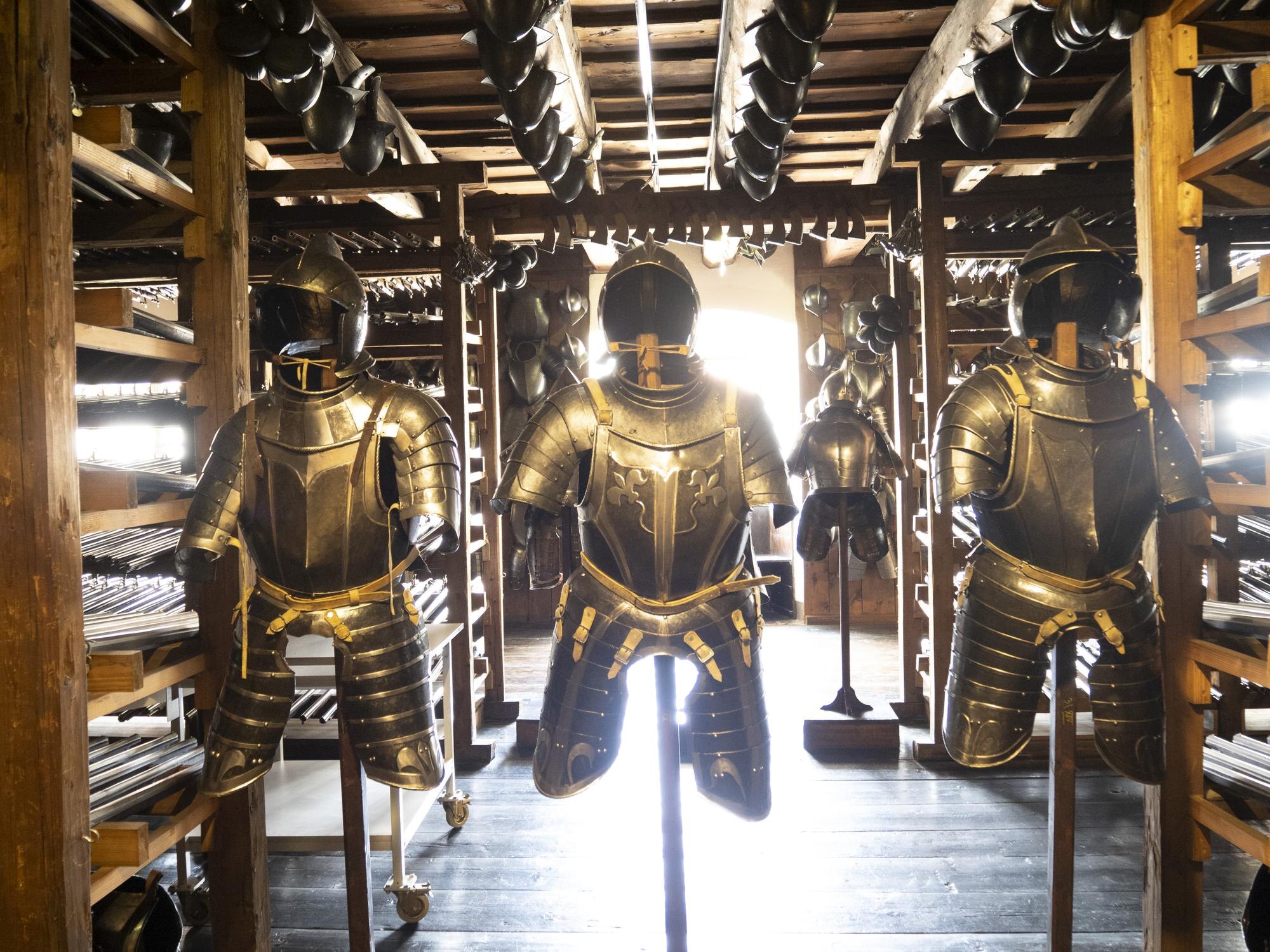
Crafting armor was just one part of a blacksmith's skill set. Weapons were equally important and required their own unique methods. Let's delve into the world of sword making and the creation of shields and helmets.
The Artistry of Sword Making
Creating a sword was an art form. Blacksmiths began with a bar of iron or steel, heating it until it was ready to be shaped. The sword's blade had to be strong yet flexible. It had to withstand blows without breaking. This balance was achieved through a process called tempering. By heating and cooling the blade, blacksmiths could adjust its properties. The sword was then sharpened to a razor edge, ready for battle.
Handles were carefully crafted for grip and comfort. They were often made from wood, wrapped in leather for extra grip. A well-made sword could last for generations, becoming a family heirloom. Each sword was unique, with markings that told its story. The artistry of sword making was a blend of science and creativity. For more insights, take a look at this YouTube video on the craft of sword making.
Creating Shields and Helmets
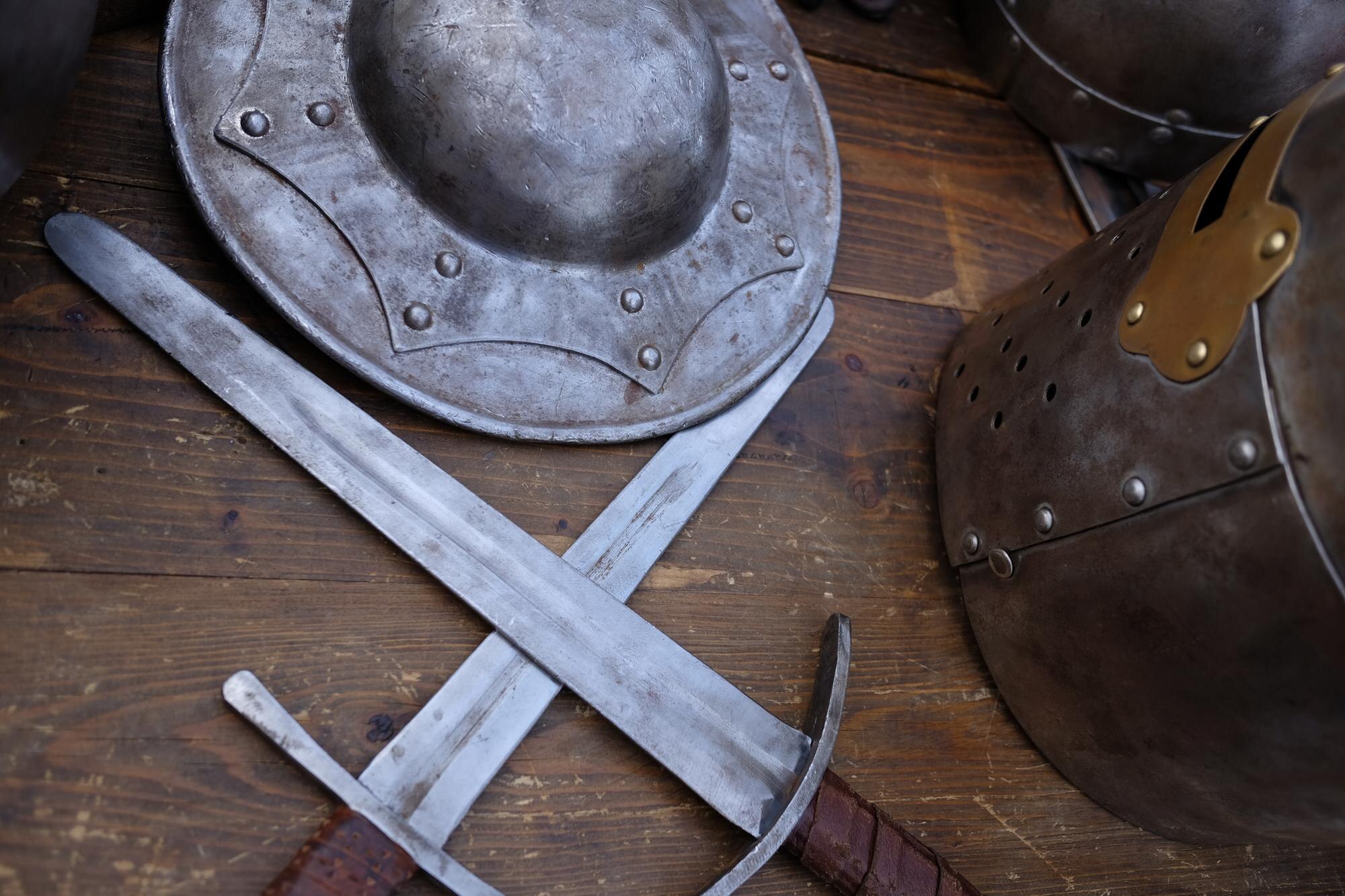
Shields and helmets were crucial for defense. Shields were constructed from layers of wood and leather, offering protection while remaining lightweight. Blacksmiths reinforced them with metal edges and handles, ensuring they could withstand heavy blows. Helmets, often made of iron or steel, protected the head and face. They were designed to be both strong and comfortable, distributing weight evenly.
Shields often featured designs and emblems, identifying their bearers on the battlefield. Helmets were fitted to the wearer, with padding for comfort. Both were essential for survival in battle, providing protection and identity. Crafting these pieces required precision and skill, as any flaw could be fatal. To learn more about medieval armor, check out the Medieval Armour Museum.
Join the Adventure at the Festival
The Yosemite Chivalry & Fantasy Festival is your gateway to the past. Experience the thrill of live blacksmithing and explore the wonders of the Renaissance Fair. There's something for everyone, from history buffs to fantasy fans.
Witness Live Blacksmithing
Ever wondered how armor and weapons are made? Now's your chance to see it live! At the festival, skilled blacksmiths will demonstrate their craft, turning metal into masterpieces before your eyes. Feel the heat of the forge and hear the ring of hammers. It's an experience you won't forget. Watch as raw materials become swords, shields, and more. This is a rare opportunity to witness history come alive.
Explore the Renaissance Fair Magic 🎉
Step into a world of adventure and enchantment. The Renaissance Fair offers a feast for the senses. Enjoy music, food, and performances that transport you to another time. Meet characters from history and fantasy, and try your hand at archery or jousting. It's a place where legends come to life, and memories are made. Gather your family and friends for a day of fun and discovery. The festival is a celebration of culture and creativity, with something for everyone to enjoy.
In this magical setting, the past and present collide, creating an unforgettable experience. Whether you're a history enthusiast, a fantasy lover, or just looking for a fun day out, the Yosemite Chivalry & Fantasy Festival welcomes you. Join us and become part of the story.
